
Do Expired Domains Still Carry PageRank? What Actually Transfers
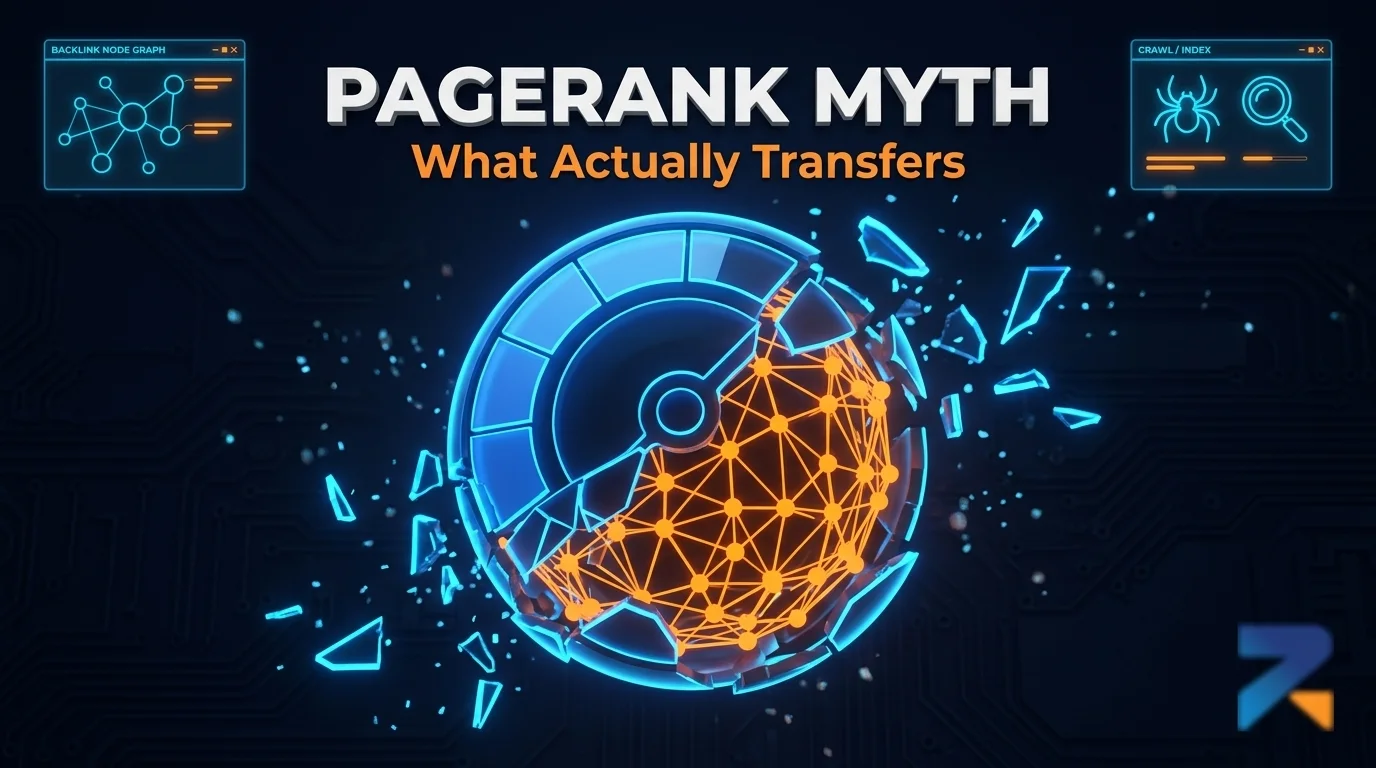
Classic Toolbar PageRank was retired by Google in 2016 and was never a live ranking signal you could inherit by acquiring a domain what an expired or aged domain actually carries forward is its backlink profile and indexation history, and how much authority that translates into depends on link quality, not a stored numeric score.
Last updated: August 2026.
Why “PageRank” Still Comes Up
The term persists in aged-domain marketing and forum discussions because it’s shorthand for “this domain has authority,” even though the public Toolbar PageRank score it originally referred to hasn’t existed since 2016. Google has continued to use a version of the PageRank algorithm internally as one input among hundreds in its ranking systems, but there’s no exposed score, and it was never something that got “transferred” to a new owner as a standalone asset it was always a function of the current link graph, recalculated continuously.
What Actually Carries Over When You Acquire a Domain
- The backlink profile — the actual referring domains and pages linking to it. This is real and does transfer, in the sense that those links still point at the domain regardless of who owns it. Their value depends on whether they’re still live, relevant, and from sites Google still trusts.
- Indexation and crawl history — Google has crawled and indexed the domain before, which can mean faster re-crawling and re-indexing of new content compared to a domain with zero history, though this isn’t guaranteed and depends on how long the domain was dormant.
- Topical and trust signals accumulated from prior content — to the extent the domain’s history is relevant and clean, this can carry some residual trust, though it’s continuously re-evaluated against current content, not stored as a fixed value.
None of these are “PageRank” in the toolbar-score sense they’re the underlying signals PageRank-style algorithms have always been built from.
Why This Distinction Matters for Buyers
Marketplaces and sellers sometimes still market domains using proxy metrics (DA, DR, TF) that get colloquially called “PageRank” even though none of them are Google’s algorithm. These third-party metrics estimate link authority using their own crawlers and formulas useful as a rough signal, but not a measurement of anything Google actually outputs. A domain with a high third-party authority score and a genuinely irrelevant or spammy backlink profile can still perform poorly, because what matters is the quality Google’s own systems assign to those links, not the third-party estimate of it.
Does Dormancy Reduce What Transfers?
A domain that sat parked, unused, or 404-ing for an extended period tends to lose some backlink value over time external sites remove or update dead links, and Google’s confidence in a domain’s continued relevance can fade during a long gap with no active content. This is why due-diligence checks on an aged domain typically look at how recently it had live, indexed content, not just how many backlinks a third-party tool reports historically.
Frequently Asked Questions
Does buying an expired domain give me its old PageRank?
There’s no PageRank score to inherit Toolbar PageRank was retired publicly in 2016. What you acquire is the domain’s actual backlink profile and indexation history, and how much authority that provides depends on the quality of those links today, not a stored score.
Is DA or DR the same as PageRank?
No. Domain Authority (Moz) and Domain Rating (Ahrefs) are third-party metrics built from each tool’s own crawl data and formula. They’re useful estimates of link authority but aren’t produced by Google and don’t reflect Google’s internal ranking calculations.
Does a domain lose authority if it sits unused for a long time?
It can. Backlinks decay over time as linking sites update or remove them, and a long gap with no live content can reduce how much residual trust and crawl priority Google assigns when the domain becomes active again.
Can a high DA/DR domain still perform poorly after purchase?
Yes. A high third-party authority score doesn’t guarantee the underlying backlink profile is relevant or high-quality by Google’s standards. A domain can score well on proxy metrics and still underperform if its links are spammy, irrelevant, or from sites Google no longer trusts.
Related Guides
Sources & Further Reading